Sleep and Beyond myMerino Wool Comforter Light

A Practical Guide to Silk in Bedding: Properties, Care, and Authenticity

Explore how silk fibers influence temperature regulation, moisture management, and overall comfort in bedding. This guide offers practical care tips and a framework for evaluating authenticity when shopping for silk bedding, weaving together historical context, consumer guidance, and the quiet drama of luxury textiles.

Silk in Bedding: A Material Portrait

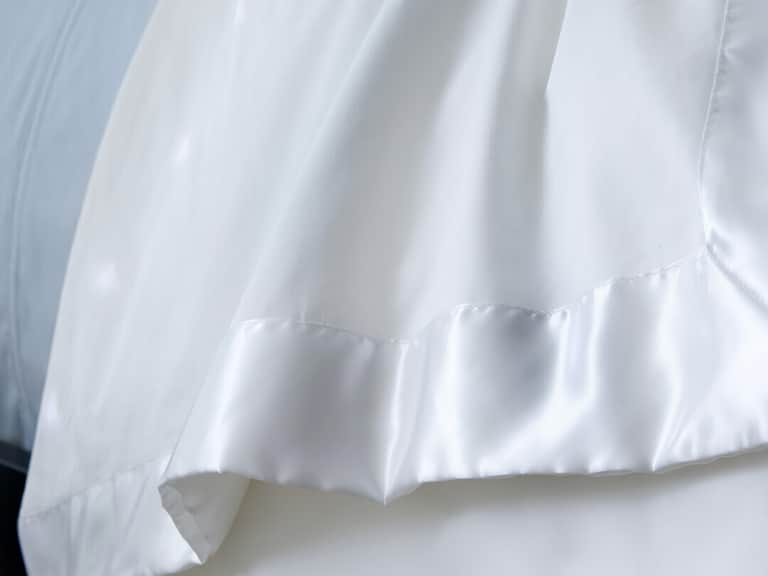
Silk is not merely a fabric; it is a biography written in filaments. Its natural protein structure, cradle of silk moths’ ambitions, becomes a sleeping ally because it negotiates warmth and moisture with a discretion that other textiles rarely command. In bedding, silk behaves like a responsible host: it keeps you warm without suffocating you in heat, it breathes as you move, and it remains quietly hypoallergenic in households where sensitivities are a concern. Silk’s moisture management is not sensational; it is a steady handshake between skin and fiber. When the night air cools and the room grows still, silk shifts to preserve a balanced microclimate—cool enough to prevent dampness and warm enough to avoid clamminess.

The practical truth about silk in bedding is that its benefits accrue most loudly when paired with thoughtful construction. A silk-filled or silk-faced product benefits from a breathable outer shell, a careful weave, and a filling that distributes loft evenly. Without these supporting choices, silk can feel slick or clingy rather than luxurious. The art lies in the balance: silk’s inherent temperature regulation married to an architectural approach that respects motion, washing, and long-term durability.

Care Guidelines: Respect, Rewash, and Rejoice

Care for silk bedding is a ritual rather than a routine. The fiber is resilient, but it does not thrive on rough handling or hasty laundering. The recommended approach favors cool water, gentle detergents, and minimal agitation. A common mistake is to pursue aggressive washing that dissolves the natural strengths of silk and shortens the product’s lifespan. Think of silk as a delicate mentor: you want to preserve its calm, not provoke it into brittle or sagging behavior.

  • Washing: Use cold water and a mild, silk-specific detergent. Do not use bleach or high-alkaline cleaners. Hand washing is ideal; machine washing on gentle cycles is acceptable if the fabric and care label permit it.
  • Drying: Air-dry away from direct sunlight. If you must use a dryer, opt for the lowest heat setting and remove promptly to minimize heat exposure.
  • Storage: Store silk bedding in a cool, dry place. Avoid plastic bags that trap moisture; instead, use breathable fabric storage or cotton bags to deter mildew while preserving loft.
  • Spot care: For small stains, treat with a mild soap solution and pat dry. Do not rub aggressively, which can disturb the fabric’s surface.

Authenticity and Quality Cues: Reading the Silk Tea Leaf

When shopping for silk bedding, there is a quiet science behind authenticity. The market rewards transparency: clear fiber content, independent testing, and precise weave descriptions. A silk product might advertise 100% Mulberry silk, but the crucial questions hover around where the silk comes from, what percentage is present in the final product, and how the fabric behaves under laundering. Independent textile testing for purity, softness, and colorfastness can be a trustworthy compass. Additionally, consider the blend and the filaments’ fineness. A product that emphasizes high-quality silk will often reveal careful detailing about the silk’s grade, the presence of other natural fibers in blends, and the construction method—whether it’s a satin weave with a balanced sheen or a matte finish designed for a more understated look.

For practical shoppers, a strategy emerges: examine fiber content labels with patience, ask about the testing standards, and seek brands that publish care instructions aligned with the material. In the current landscape, durable silk bedding tends to be paired with well-considered cottons in the outer layers and thoughtful quilting to maintain loft and prevent sliding. The brands highlighted in this guide—Mulberry West and Sleep and Beyond—offer an illuminating case study in how silk bedding is marketed, tested, and used in real bedrooms.

Key Figures Across Time: Silk, Trade, and Sleeping Stages

Three individuals from distinct centuries illuminate how silk’s presence in daily life and culture has evolved—from the courts of empire and the hum of mercantile trade to modern consumer comfort.

Columbus d’Acre, Silk Merchant (16th century)

In ports where spice and silk scents meet, merchants traded more than textiles; they traded information, taste, and timing. d’Acre’s era—the time when global networks began snapping shut into the modern trade map—illustrates how silk bedding and textiles circulated across continents. Silk, once a secret held by imperial courts, became accessible to households that valued comfort, status, and an everyday luxury that could be owned and enjoyed. The human story behind silk is not only about the fiber but about the ships, the markets, and the memory of those who made global exchange possible.

Caroline Reichard, Textile Historian (19th century)

Reichard’s meticulous catalogs and treatises on textile chemistry and weave patterns echo through today’s scrutiny of silk authenticity. Her work bridges the gap between archival evidence and quotidian use, reminding us that the texture of a blanket or the sheen of a duvet cover can be evidence—material evidence—of a world beyond our bedrooms. In her writings, silk becomes a language for reading age, trade routes, and the labor embedded in every seam.

Evelyn Marks, Modern Bedding Designer (late 20th – early 21st century)

Marks’s design philosophy centers on the intimate relationship between sleep and material science. Her advocacy for breathable outer layers, careful fiber selection, and honest care guidelines embodies a contemporary sensibility: luxury need not be opaque or showroom-ready; it can be comprehensible, useful, and long-lasting. In her work, silk is not merely a status symbol—it is a tested, trusted participant in a bedtime routine.

A Featured Silk Bedding Product: Sleep and Beyond myMerino Wool Comforter Light

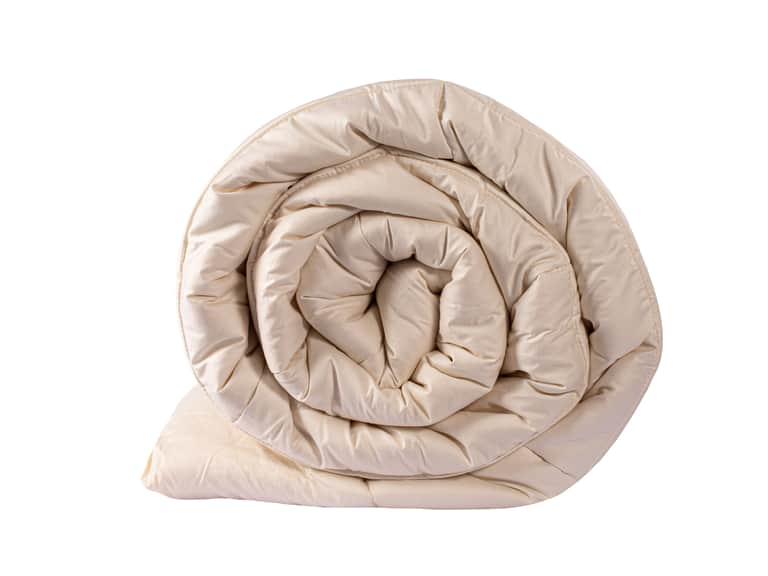
The Sleep and Beyond myMerino Wool Comforter Light is not silk, yet it speaks to the broader bedding ecosystem in which silk pieces often exist. It embodies the sensible approach to warmth and moisture management that silk bedding aims to complement. Wool’s natural hygroscopic properties provide a counterpoint to silk’s delicate balance, creating a layered sleeping environment. This comforter’s design—organic merino wool fill, organic cotton sateen, and a weight appropriate for three-season use—demonstrates how textile science translates into tangible comfort. It is a reminder that silk coexists with other fibers to form a breathable, adaptable bedding system capable of accommodating seasonal shifts and personal preferences.

Sleep and Beyond myMerino Wool Comforter Light

Product: Sleep and Beyond myMerino Wool Comforter Light

Price: 299.00

Features: 100% organic merino wool fill, GOTS-certified organic cotton sateen cover, breathable, hypoallergenic, temperature-regulating.

Closing Reflections: Silk, Silence, and the Sleepable World

The Silk BeddingGuide is a gentle invitation to pause and feel the texture of history in your sleeping room. Silk is not a mere commodity; it is a cultural artifact that travels through time—encountered in courtly wardrobes, ship-side markets, and the quiet dawn of a well-made bed. As we navigate the modern marketplace, the careful reader will notice silk’s most reliable currency: trust. Trust in the producer’s transparency, trust in independent testing, and trust in the whispered comfort a well-constructed sheet or blanket can provide. The final move, then, is practical: select silk bedding with honest care instructions, prioritize fabrics that support loft, and embrace products that celebrate texture as well as texture’s story.

This article is inspired by the branding and product line conversations around silk bedding, integrating a scholarly yet accessible tone akin to long-form essays in cultural journalism. It references practical care guidelines and authenticty considerations, drawing on examples such as Sleep and Beyond and Mulberry West products to ground the discussion in real-world choices.

Related Products

Sleep and Beyond myMerino Wool Comforter Light

Sleep and Beyond · No. SB-OCL

Sleep and Beyond myMerino Wool Comforter Light

Sleep cooler and stay comfy all three seasons with myMerino’s lightweight wool comforter—temp-regulating, moisture-wicking, and naturally hypoallergenic for a peaceful, allergy-friendly night.
Vispring Masterpiece Superb

Vispring · No. COVSMMSBVP

Vispring Masterpiece Superb

Experience a cooler, cradled sleep with tailored support from four-layer fillings and 3,996 independent springs—drifting warmth away, while soft cashmere keeps skin gentle and breathable throughout the night.
Mulberry West 75Gram Silk Blanket

Mulberry West · No. MWSB

Mulberry West 75Gram Silk Blanket

Sleep cooler and calmer with pure mulberry silk that breathes, regulates temperature, and resists moisture, mold, and odors—hypoallergenic and easy to clean for a luxurious, worry-free night's rest. Ships in 5–7 days.

Theme