Blankets and quilts serve as essential layers for warmth, comfort, and climate control across seasons. This category covers a range of materials—from natural fibers to silk blends—that influence insulation, breathability, and tactile softness. Understanding fabric weight, weave, and fiber composition helps match a blanket or quilt to sleeping preferences, room conditions, and regional climates.
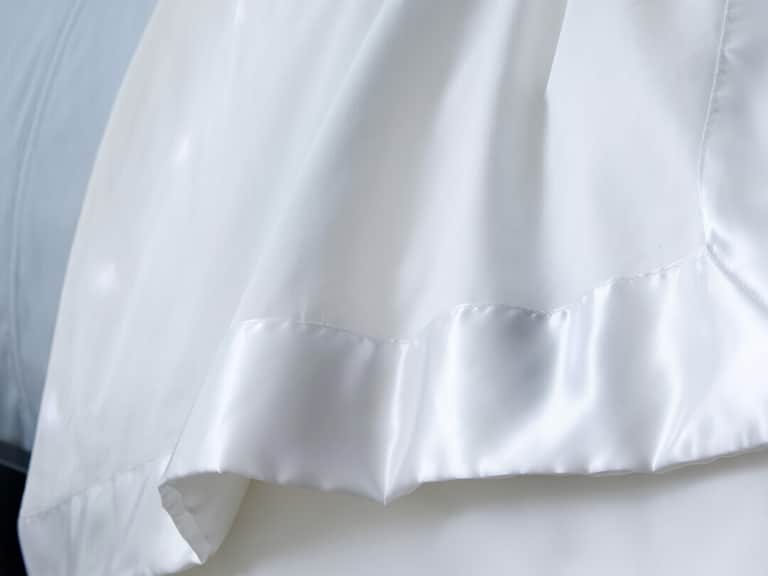
Silk blankets, such as the Mulberry West 75Gram Silk Blanket, combine lightweight warmth with smooth, hypoallergenic properties. Silk fibers naturally regulate temperature, wick moisture, and resist dust mites, contributing to a cleaner sleeping environment. The 75-gram weight offers a balanced perch between light summer coverage and seasonal layering for cooler nights.
When evaluating blankets and quilts, consider construction details like fiber purity, fill power, and stitching patterns. Mulberry silk blends often pair softness with durability, while thicker weaves or quilted designs provide structured warmth. These features affect how evenly heat is distributed and how the fabric drapes across the bed for a neat, sleep-conducive appearance.
Key uses span sleep comfort, room aesthetics, and climate adaptation. Silk blankets can function as a primary cover in temperate climates or as an insulating layer under a duvet in colder environments. Knowledge of fiber properties—such as silk’s moisture management and low loft in certain blends—helps optimize thermal comfort and sleep quality.
Common meta keywords for this category include bedding, comforters, wool comforters, mattresses, and blankets & quilts. Understanding product-specific details, like the Mulberry West 75Gram Silk Blanket’s weight, fiber content, and care requirements, supports informed choices for personal comfort and long-term performance.
 Bedding